We work on Circular Economy in
SM Reconcile Environment Solutions is engaged in finding implementable and viable options to rising environment concerns. We customize technology packages to manage waste at the location itself.
30%
Reduction of pollutants after primary chemical treatment.
65%
Reduction of pollutants after secondary treatment.
5%
Reduction of pollutants after tertiary treatment.
Our Philosophy
We believe in creating natural abundance and conserving resources for a sustainable future.
Resource Abundance
Create natural abundance of resources like water, fertile sand, and clean energy through innovative waste management solutions.
Ecological Balance
Reduce unnecessary burden on ecology by managing human waste effectively at the source.
Health & Hygiene
Conserve pure air, water, and fertile sand without compromising health standards.
Unique Products
Products conceptualized are unique, viable, and low cost with minimal maintenance. We customize technology packages (including MBBR, MBR, SBR) to meet specific requirements for managing waste at the location itself, ensuring sustainability and efficiency.
Our Technologies
Customized technology packages meeting specific requirements of managing waste.
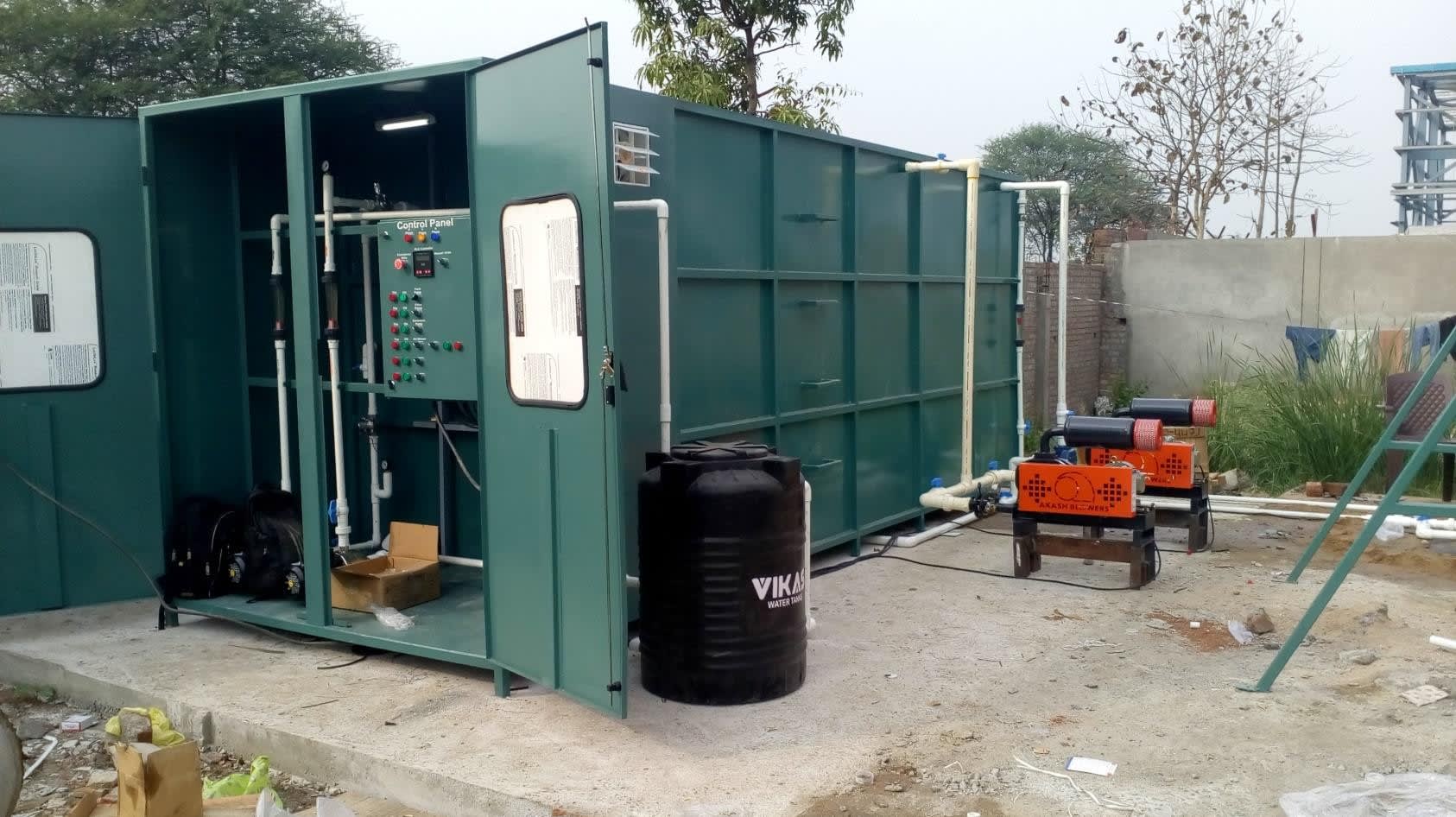
MBBR Technology
Moving Bed Biofilm Reactor (MBBR) technology is an advanced biological process for wastewater treatment, offering high efficiency and compact design.
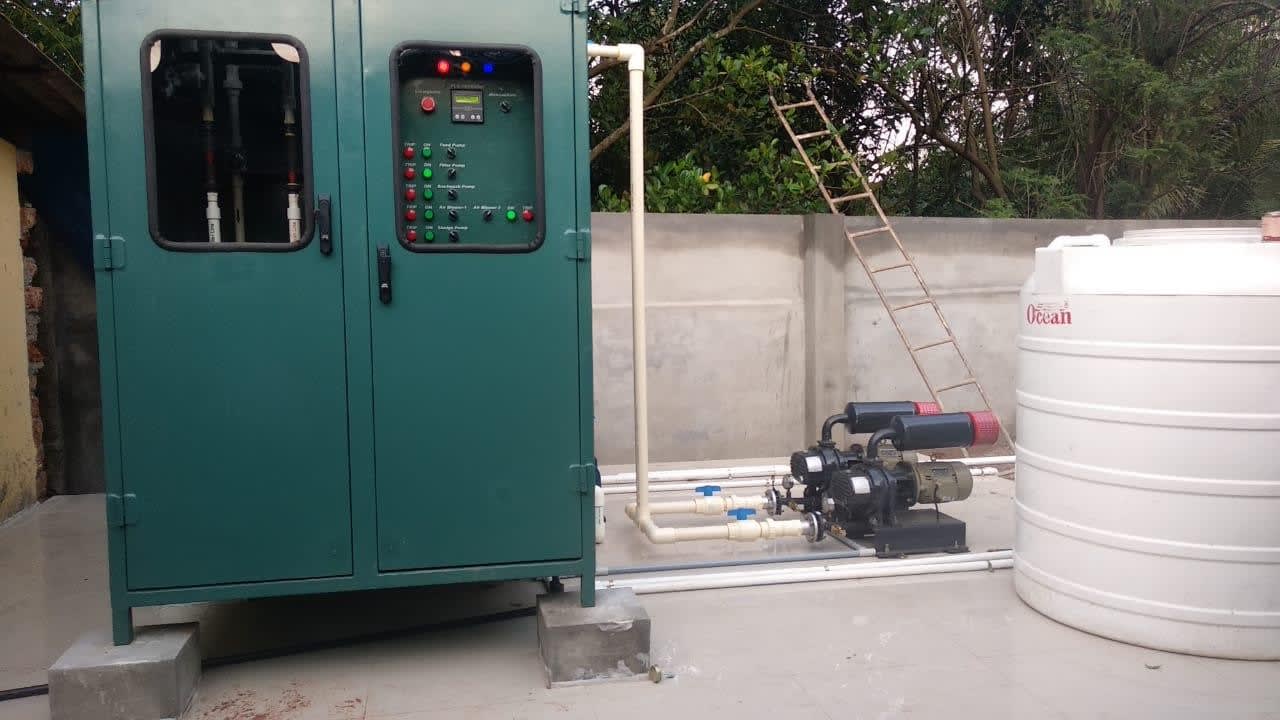
MBR Technology
Membrane Bioreactor (MBR) combines conventional activated sludge process with membrane filtration to produce high-quality effluent suitable for reuse.
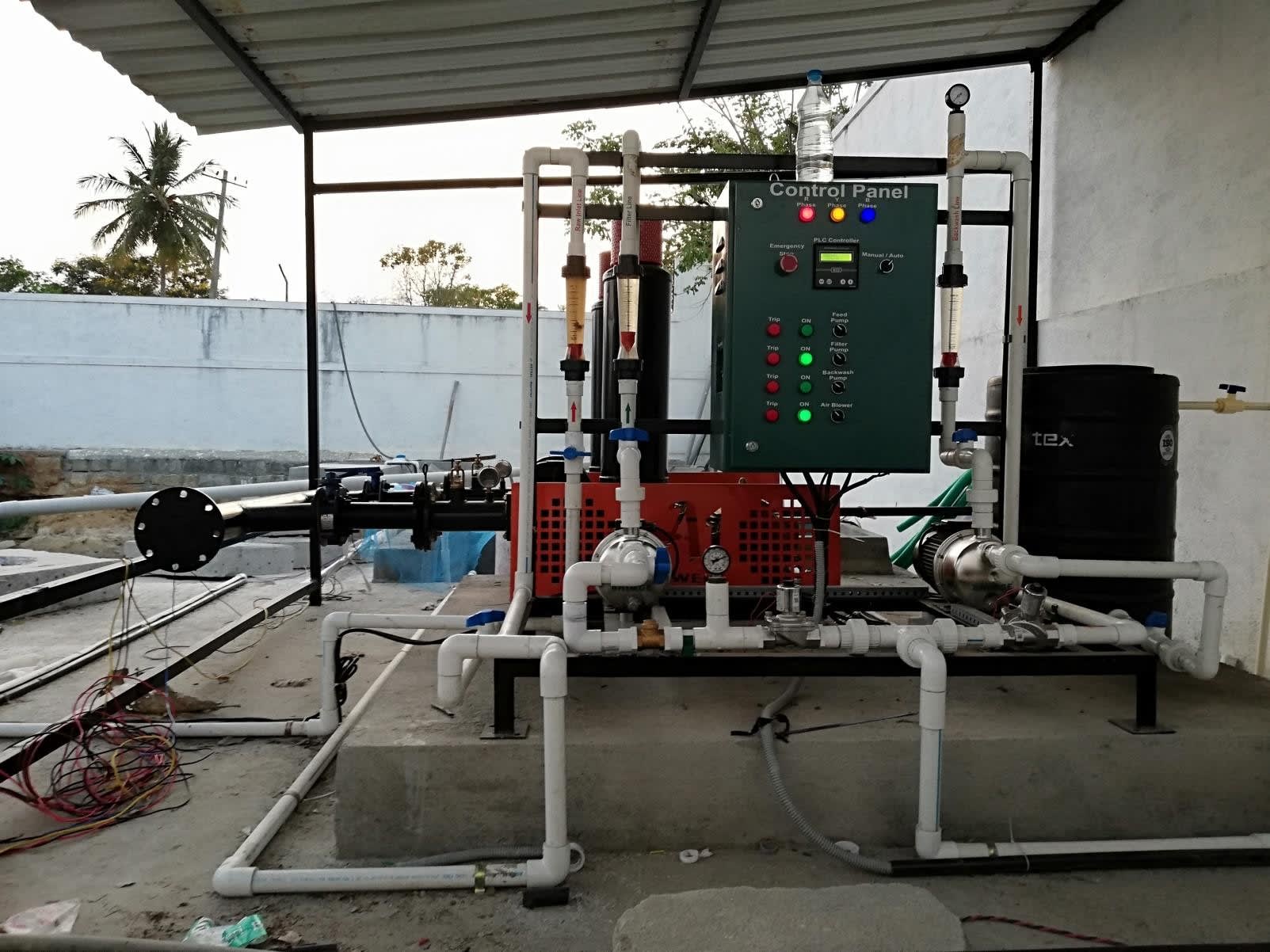
SBR Technology
Sequencing Batch Reactor (SBR) is a fill-and-draw activated sludge system for wastewater treatment, known for its flexibility and effectiveness.
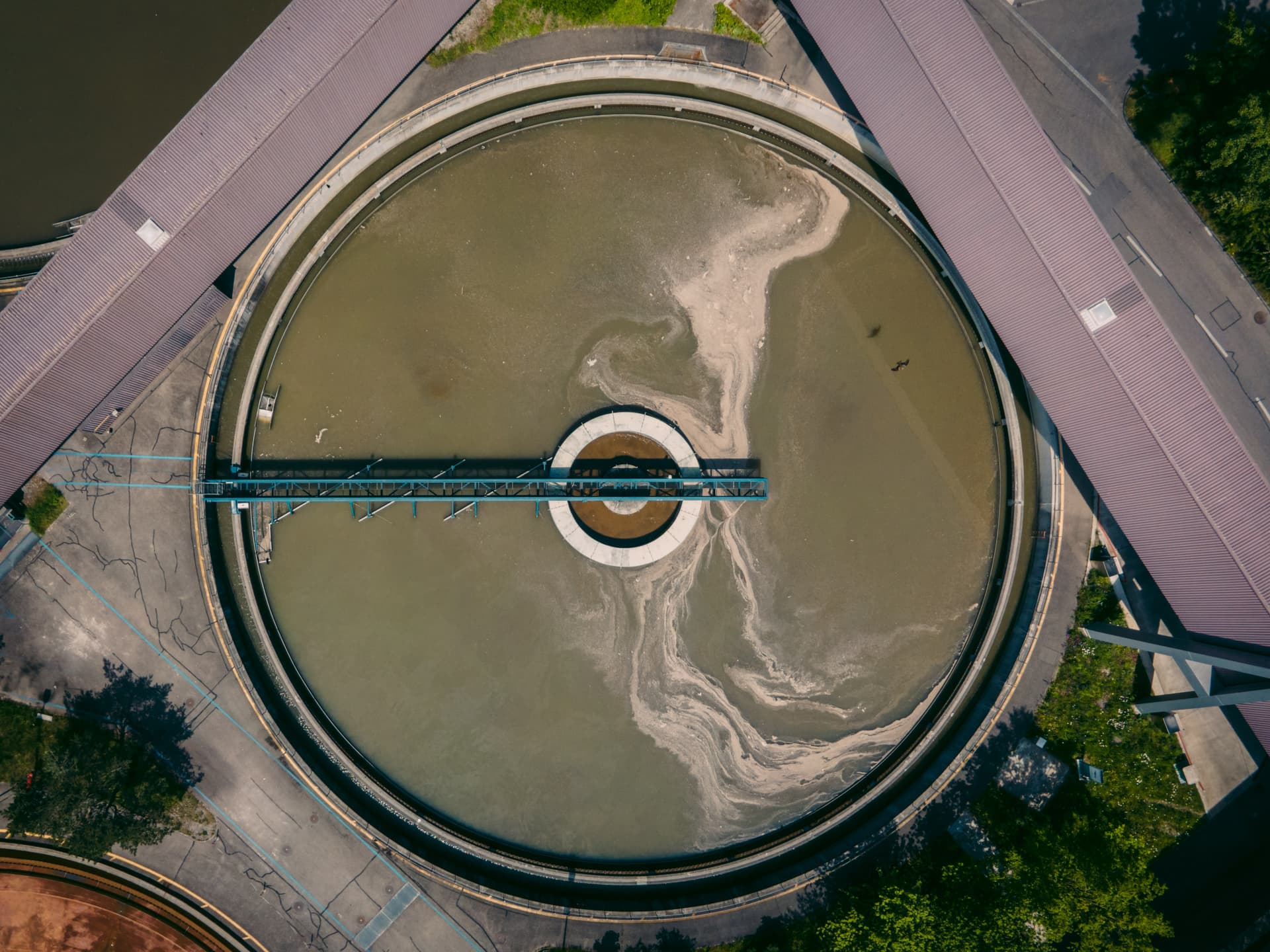
STP/ETP Technology
Comprehensive Sewage Treatment Plants (STP) and Effluent Treatment Plants (ETP) customized for specific industrial and commercial requirements.
Sewage / Effluent Treatment Process
Our comprehensive multi-stage treatment ensures the removal of suspended solids and organic matter, returning clean water to the ecosystem.
Primary Treatment
Removal of floating debris and coarse solids through screening and grit chambers.
Secondary Treatment
Biological processing where BOD, COD, and TSS are significantly reduced.
Tertiary Treatment
Final filtration through sand and carbon filters for clear, reusable water.
Regulatory Compliance & Standards
Adhering to environmental regulations is not just a choice, but a legal necessity for operational sustainability.
Supreme Court OrderWrit Petition © No. 375 of 2012
Strict Enforcement Directive
Mandatory ETP Installation
All industrial units requiring "consent to operate" must make their primary effluent treatment plants fully operational within three months.
SPCB Inspection & Action
State Pollution Control Boards will inspect units. Non-compliant units will be restrained from industrial activity immediately.
Enforcement Measures
- Directions may be enforced by disconnecting electricity supply to defaulting industries.
- Sewage treatment plants must also be set up and made functional within the specified timeline.
Ministry of Jalshakti Guidelines
Daily Water Requirement Standards (Liters per person per day) across various building types.
Factories (with bath)
Factories (no bath)
Hospitals (< 100 beds)
Ready to make a difference?
We are here to help and answer any questions you might have. We look forward to hearing from you.
Frequently Asked Questions
Common questions about sewage treatment and our solutions.
Waste water is the water that emerges after fresh water is used by human beings for domestic, commercial and industrial use.
Wastewater (sewage) contains physical constituents like suspended solids and dissolved minerals; chemical constituents including organic matter, toxic chemicals. Biological constituents such as pathogens and non-pathogenic microorganisms. Additionally, it may contain oils, detergents, and pharmaceuticals.
BOD, COD, TDS, TSS, pH to name a few.
Basement sewage treatment plant requires a lot of air for treatment and there is a lot of air that comes out from the treatment plant, both of which have to be artificially regulated resulting into higher cost. Otherwise foul smell will be observed.
Common problems include: Design Faults (undersized tanks, inadequate aeration/pumps), Strong Bad Odour (wrong location/procedure, lack of aeration), System Overflow (faulty sensors, increased flow), and Control Panel Malfunctions.